Why understanding pressure, persuasion, and deception is no longer optional for entrepreneurs, leaders, and decision-makers
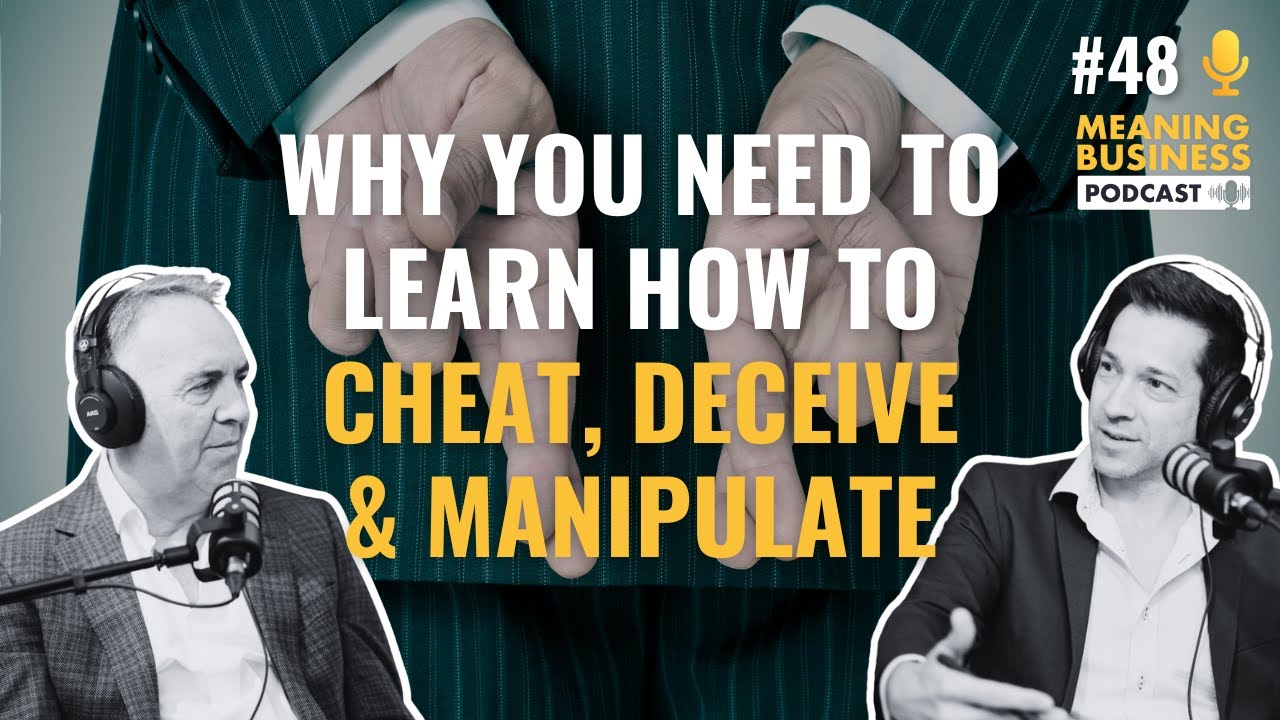
Most bad business decisions are not made because people lack intelligence. They are made because people are emotional, rushed, or subtly manipulated at the wrong moment.
High-pressure sales calls. “Once-in-a-lifetime” opportunities. Deals that feel incredible in the moment but quietly unravel months later. These situations are common across business, and they all share the same underlying mechanism: psychological pressure overpowering rational thinking.
This article explores dark psychology in business not to promote unethical behaviour, but to help you recognise manipulation early, protect yourself from costly mistakes, and make clearer, more deliberate decisions. Understanding how pressure and persuasion work is no longer optional. It is a form of professional self-defence.
What dark psychology really means in a business context
Dark psychology refers to techniques that influence behaviour through emotional leverage, cognitive bias, deception, or manufactured pressure. In business, it often appears in subtle, socially acceptable ways rather than obvious scams.
Common examples include artificial urgency, carefully framed choices that make one option feel inevitable, confidence theatre designed to establish authority, and selective disclosure of information that obscures risk. These tactics work precisely because they exploit predictable human responses rather than logic.
The uncomfortable truth is simple. If you do not understand how these techniques operate, you are far more likely to fall for them. Learning about dark psychology does not make someone manipulative. It makes them aware.
Understanding manipulation is a form of self-defence
Many people resist learning about manipulation because it feels uncomfortable or cynical. Ironically, this resistance makes them easier to manipulate.
Salespeople, negotiators, and power players do not wait for others to become educated. They rely on urgency, emotional hooks, and momentum because those tools consistently bypass rational thinking. When you do not recognise the pattern, pressure is easily mistaken for opportunity.
Understanding manipulation allows you to slow conversations down, ask for evidence instead of reacting emotionally, and recognise when information is missing rather than merely persuasive. The goal is not paranoia. The goal is clarity.
Why emotion is the enemy of good business decisions
Emotion is not inherently bad, but it becomes dangerous when stakes are high. Fear, excitement, pride, and the desire to impress all narrow perception and reduce critical thinking.
In business, emotional decision-making commonly appears during negotiations, contract signings, hiring decisions, investments, or immediately after a perceived win. One example discussed involves a farmer securing a major retail contract. The emotional high of winning the deal prevented a thorough review of the terms. Only later did it become clear that the margins made the contract financially damaging.
The lesson is blunt but important. The more emotional the moment, the more structure, distance, and time are required before deciding.
Dark versus light psychology comes down to intent
Psychological tools themselves are neutral. Intent determines whether they are used to exploit or to protect.
The same techniques that manipulate can also be used ethically. Parents use structure to build healthy habits in children. Negotiators use framing to create safety and clarity for both parties. Leaders use communication psychology to reduce fear and confusion during uncertainty.
This is why uncomfortable books on power and influence provoke such strong reactions. They expose strategies people would prefer to believe do not exist. Once understood, those strategies become defensive knowledge rather than dangerous instruction. Ignorance is the real risk.
Language, tone, and structure quietly shape decisions
One of the clearest demonstrations of applied psychology in business is structured sales communication. Rather than improvising, high-pressure sales systems rely on scripting, tonal shifts, pacing, and rehearsed responses to objections.
These approaches work because people rarely decide logically first. Logic often arrives later to justify an emotional choice already made. Understanding this dynamic helps in two ways. It makes you harder to manipulate as a buyer, and it allows you to communicate more clearly and ethically as a seller.
Ethical influence relies on structure without exploitation.
Why intuition fails in complex decisions
Intuition feels trustworthy, but it performs poorly in complex systems. The well-known Monty Hall problem illustrates this clearly. Most people refuse to switch options even when new information mathematically improves their odds, because it feels like reverse psychology.
Business decisions behave the same way. New information changes probabilities. Initial narratives are often misleading. Gut feel is unreliable when systems are complex and incentives are hidden.
This is why structured frameworks consistently outperform instinct in negotiations, investments, and strategy. Emotional distance is not coldness. It is accuracy.
Manipulation exists far beyond sales environments
Dark psychology is not limited to aggressive sales tactics. It appears in corporate politics, marketing hype cycles, technological trends, bureaucratic systems, and even family dynamics.
One example discussed involves inheritance manipulation within families, where guilt and emotional pressure are used to influence decisions. These tactics are relational, subtle, and deeply effective. If manipulation can exist inside families, it certainly exists in boardrooms.
Recognising this reality is not pessimistic. It is realistic.
Continuous learning is the strongest protection
People who stop learning become predictable. Predictability makes manipulation easier.
The episode contrasts comfortable business owners who plateau with those who continue to upskill because failure is not an option. The latter group questions assumptions, seeks second opinions, understands systems rather than isolated tactics, and adapts faster to change.
Continuous learning in psychology, strategy, technology, and markets acts as a filter. It reduces emotional reactivity and increases decision quality. For entrepreneurs and leaders, learning is not a luxury. It is protection.
Final thoughts: clarity beats comfort
You can choose comfort or clarity. Comfort avoids uncomfortable truths. Clarity equips you to navigate them.
Understanding dark psychology in business does not make you unethical. It makes you informed. Informed people make better decisions, negotiate stronger deals, and avoid mistakes that quietly compound over time.
If this topic challenged you, that is a positive sign. Growth often begins where comfort ends. If you want to go deeper, consider reflecting on moments where pressure or emotion influenced your decisions more than logic, and what you would do differently next time.